Updated 2026-09-24. Researched from published specifications, capacity ratings and verified owner reviews, not hands-on testing.
Quick answerAdults 16 and older who swim can wear a low-profile inflatable belt pack like the Onyx M-16 Manual Inflatable Belt Pack (about $75), but kids, non-swimmers and anyone unsure should default to a standard foam vest instead.
Outside a designated swimming or surfing area, a stand up paddle board counts as a vessel under Coast Guard rules, which means you need a wearable, USCG-approved life jacket aboard. A low-profile inflatable belt pack like the Onyx M-16 Manual Inflatable Belt Pack (about $75) is the most popular way SUP paddlers meet that rule without a bulky foam vest, but belt packs are not the right choice for everyone. Here are picks across the standard-vest and inflatable-belt-pack categories, plus who should stick with foam.
Picks by experience level
Beginner
A standard foam vest, the safest default for anyone unsure
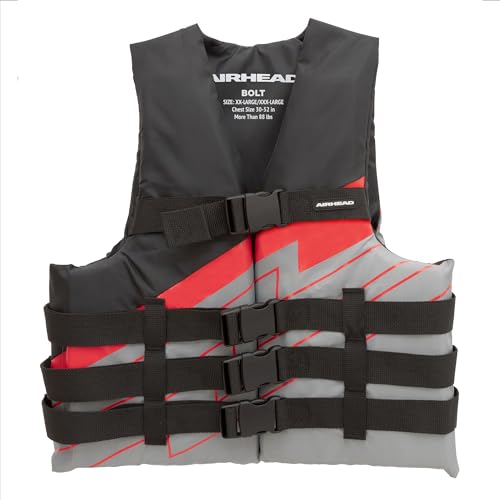
The Onyx Universal Paddle Life Jacket (about $64) is a standard foam Type III vest, approved for everyone including kids, non-swimmers and use in any conditions. If you are not a confident swimmer, are paddling with kids, or are unsure which category applies to you, this is the safer starting point over any inflatable.
The Onyx M-16 Manual Inflatable Belt Pack (about $75) is USCG-approved and worn around the waist, staying compact until you pull the manual inflation handle. It only satisfies the legal requirement if you are actually wearing it, not just carrying it aboard, and it is approved only for swimmers 16 and older.
The Bluestorm Atmos 40 Automatic/Manual Inflatable PFD (about $150) adds automatic inflation on water contact as a backup to the manual pull, which matters more on open, exposed water where a fall could leave you unable to reach the manual handle. It is a heavier investment than a manual-only belt pack for that extra layer of automatic backup.
Who should not buy this: Kids, non-swimmers, whitewater use, or anyone paddling close to shore in calm, supervised conditions, where a manual belt pack or a standard foam vest already covers the requirement without the added cost.
Do I need a life jacket on a paddle board?
If you are paddling outside a designated swimming, surfing or bathing area, the Coast Guard treats a SUP as a vessel, which means federal rule requires a wearable, USCG-approved life jacket aboard for every person. Close to shore inside a marked swim or surf zone, the requirement typically does not apply, but check your local rules since some states are stricter.
Are inflatable belt packs actually legal for SUP?
Yes, but with conditions. Inflatable PFDs are USCG-approved only for people 16 and older who can swim, and many carry a label that says they must be worn to count toward the legal requirement, so a belt pack stashed in a bag may not satisfy the rule. They are also not approved for whitewater use. Always check the specific listing's approval label for the exact conditions that apply to that model before assuming it covers your situation.
How we chose
These picks are based on published USCG approval labels, inflation type and verified owner reviews on each listing, not on wearing the vests ourselves on the water. Where a listing's approved age or swimmer requirement was not stated plainly, we flagged it rather than assuming.
Buying tips
Most belt packs are labelled to count toward the legal requirement only while worn, not while stored in a dry bag or under a bungee strap.
Manual inflation means you pull a handle yourself; automatic/manual models also inflate on water contact as a backup.
Inflatables need occasional CO2 cylinder and firing-mechanism checks; read the listing and manual for your specific model's maintenance schedule.
If you are paddling with a child, a non-swimmer, or in cold water, a standard foam vest is the safer and simpler choice over any inflatable.
Shop the options
An even spread across the price range, cheapest to premium. Prices at last check.
The picks from this page with current prices, in one email, so you can decide later.
Used only to send the list.
Frequently asked questions
Do you need a life jacket on a stand up paddle board?
Yes, outside a designated swimming or surfing area. The Coast Guard treats a SUP used beyond those zones as a vessel, which means a wearable, USCG-approved life jacket is required aboard for every person, the same as a kayak or canoe. Check local rules too, since some states add their own requirements.
Are inflatable life vests good for paddle boarding?
They work well for confident adult swimmers 16 and older, since they stay compact and out of the way of your paddle stroke. They are not approved for kids, non-swimmers or whitewater use, and most are labelled to count toward the legal requirement only while worn, not stored on the board.
What is the difference between a manual and automatic inflatable PFD?
A manual model inflates only when you pull its handle yourself. An automatic/manual model does that too, but also inflates on its own when it contacts water, which acts as a backup if you are knocked unconscious or cannot reach the handle. Automatic/manual models cost more but add that layer of backup.
Can kids wear an inflatable life vest on a paddle board?
No. Inflatable PFDs are USCG-approved only for people 16 and older who can swim. Kids should wear a standard foam Type III vest, sized by their weight rather than chest size, which is approved for all ages and does not depend on swimming ability.
Do I need a belt pack or a vest-style inflatable for SUP?
Both are USCG-approved options for adult swimmers, and the choice mostly comes down to comfort. A belt pack sits around the waist and is less noticeable while paddling; a vest-style inflatable sits higher on the torso. Many inflatables only count toward the legal requirement while worn, so read the conditions printed on the label.
On the water: Wear a properly fitted, USCG-approved life jacket every time, dress for the water temperature rather than the air, and check your state and local paddling regulations before you launch.
This is researched general information, not professional advice. Sizing figures are starting points: confirm against the maker's own sizing chart and the capacity printed on the boat or board.


 Airhead General Purpose Life Jacket for Adults & Kids - US Coast Guard Approved Life Vest for Men, Women, Youth, Child & Infant, Boating Safety PFD for Fishing & Swimming, Adult Standard, Blue USCG approved